
We Thought Crypto Was a Coup. It’s Actually a Merger.
We wanted to "End the Fed" but got "When ETF?". How the Most Annoying Philosopher Predicted Bitcoin’s Fate, 300 years ago.

I thought Crypto Digital Assets were the hammer that would shatter the financial system.
I was wrong and admitting this hurts. My reason for joining the space was for the revolution, but history shows there is a well established pattern for my type of disillusionment.
To understand this, I’m turning to the work of Georg Wilhelm Friedrich Hegel. Hegel among many things, emphasized the importance of learning from history, the value of appreciating the ideas we don’t like, and that progress is an inherently messy process. He called this framework the Hegelian Dialectic.

In the Dialectic, Hegel outlines that we tend to think of progress as a steady climb from “worse” to “better.” But in reality history moves in a violent zigzag.
In short:
The Thesis: The Status Quo.
The Antithesis: The Rebellion.
The Resolution: The New Reality.
The “Antithesis” (the rebellion) rarely destroys the “Thesis” (the establishment). Instead, the conflict ends in a Resolution. The establishment takes the technology, strips away the radical ideology and offers a polished version of the future.
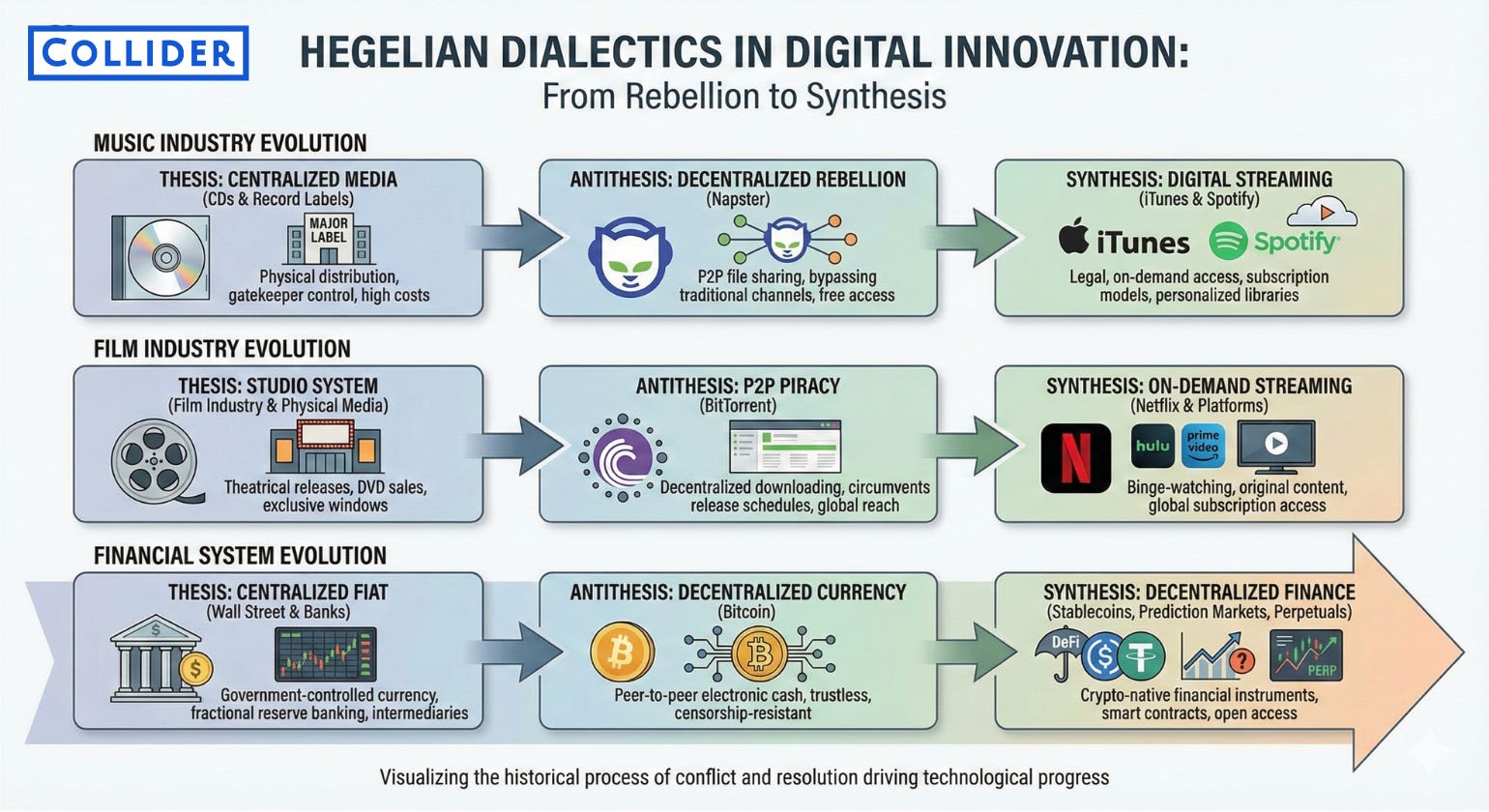
Here is how that cycle is playing out in the digital age, and why the future of Bitcoin looks less like a revolution and more like Netflix or Spotify.
Part I: Why Rebels Always Lose
Before looking at crypto, we must look at the underlying mechanism of progress
The Thesis (The Status Quo): This is the established order. It is stable, rigid, and dominant. (e.g., The Monarchy, The Record Label, The Fiat system and the Central Bank).
The Antithesis (The Rebellion): Eventually, entrepreneurship technological progress, and innovation find and react to flaws in the Thesis. A counter force rises to destroy the status quo. It is radical, chaotic, and ideological. (e.g., The French Revolution, Napster, Bitcoin).
The Resolution (The Synthesis): This is the critical part. The establishment realizes it cannot kill the rebellion, so it resolves the tension by integrating it. The Resolution solves the practical problems that caused the protest, but it reinforces the power of the system. The revolution doesn’t kill the King, it turns him into a CEO with a budget and profit incentives.
Part II: From Woodstock to Wall Street
If you want to know how the Crypto revolution ends, find a Boomer.
As documentary filmmaker Adam Curtis outlines in The Century of the Self, the transition from the 1960s to the 1980s is the ultimate example of this resolution.
The Thesis (The 1950s Organization Man): This was the era of conformity. You wore a grey suit, you worked for a giant corporation, and you did what you were told. You were a cog in a machine.
…and you wore a hat, everybody wore a hat in the 1950s.
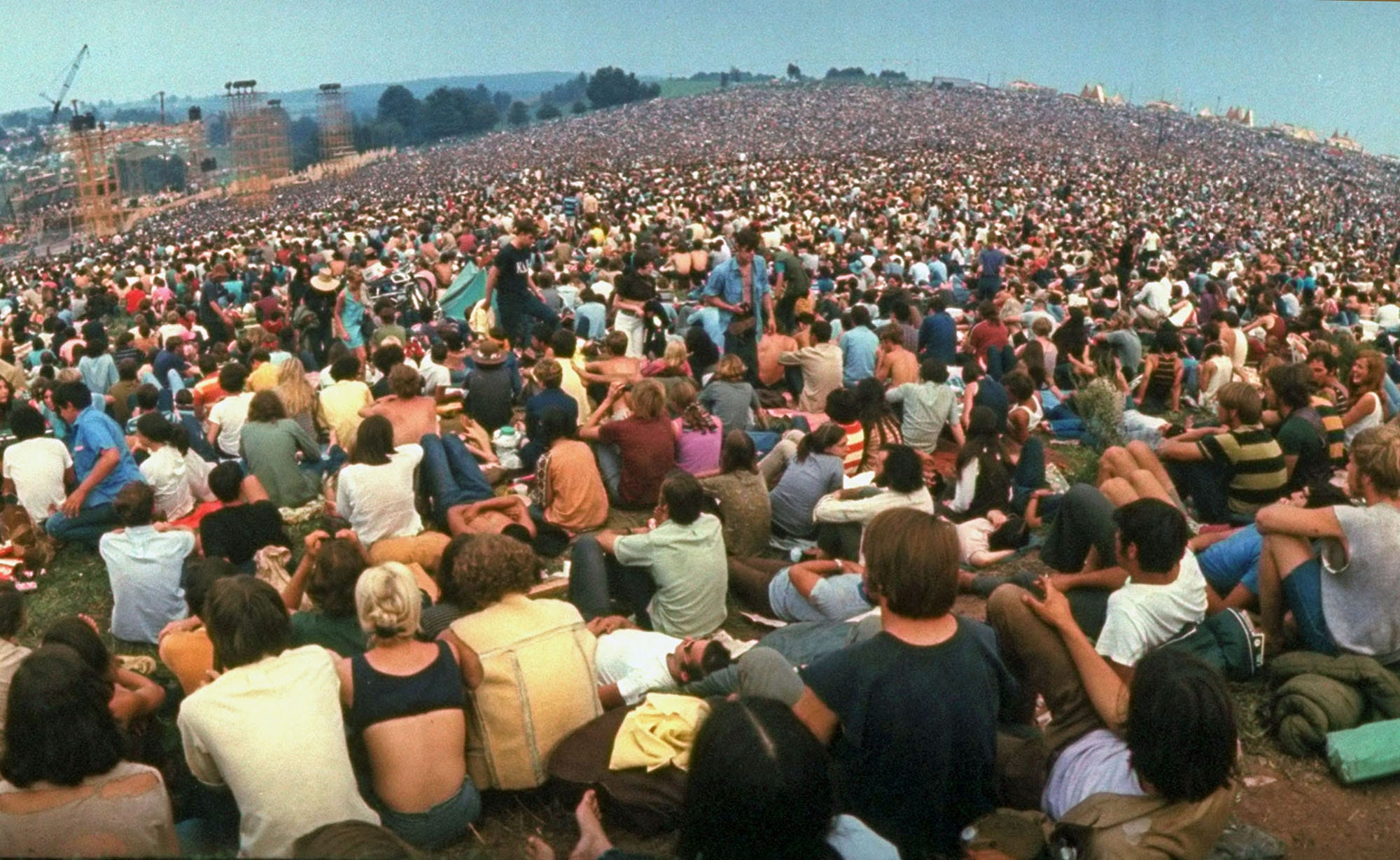
The Antithesis (The 1960s Counter-Culture): The Boomers rebelled. They rejected the hierarchy, the suits, and the consumerism. They sought to “find themselves,” express their individuality, and destroy the system of control.
…and do a lot of LSD at Woodstock.
The Resolution (The 1980s Consumerism): Did the hippies destroy capitalism? No. They went to work for it. The system realized it couldn’t stop the desire for individualism, so it monetized it. The Resolution was a new form of capitalism based on Self-Expression.
The hippies became the marketing executives of the 80s. They realized they could sell products not by saying “this is reliable,” but by saying “this makes you unique.” The system resolved the conflict by adopting the aesthetic of the rebellion (individualism) while discarding the threat (overthrowing the hierarchy).
The Hippie became the Yuppie.
Part III: How Utility Kills Ideology
Now, apply this exact template to the Digital Age. This cycle has resolved twice already.
1. The Music Industry
Thesis (The CD): Music Labels. Centralized control. High costs ($18 albums). Gatekeepers.
Antithesis (Napster): A decentralized rebellion. P2P sharing. Free access. Ideology: Information should be free. Death to copyright.
Resolution (Spotify/Apple Music): The industry realized they couldn’t stop the technology (digital distribution), so they resolved the conflict. They gave the users the utility they wanted (instant access) but stripped away the ideology (piracy).
2. The Film Industry
Thesis (The Theater/DVD): Rigid viewing system, 11 years home viewing release windows. Regional locks. Late fees.
Antithesis (BitTorrent): Global, borderless file sharing. No release windows. Ideology: Anti Hollywood, Anti decentralized infrastructure.
Resolution (Netflix): Hollywood resolved the demand for on-demand streaming. We got the convenience of BitTorrent with the safety of a subscription.
Part IV: Why “End the Fed” Became “ETF please”
We are currently living through the friction of the third digital cycle.
The Thesis: Traditional Finance (The 2000s). The system operates as an opaque extraction machine, walled by borders and guarded by expensive intermediaries, like the Banker and the Hedge Fund Bro. The defining moment arrived in 2008. The system collapsed, and the public paid the bill. Bank bailouts proved the game was rigged. Gains were privatized and losses were socialized. Bank CEOs took millions in bonuses while the average American lost it all… and not a single person was imprisoned for this.
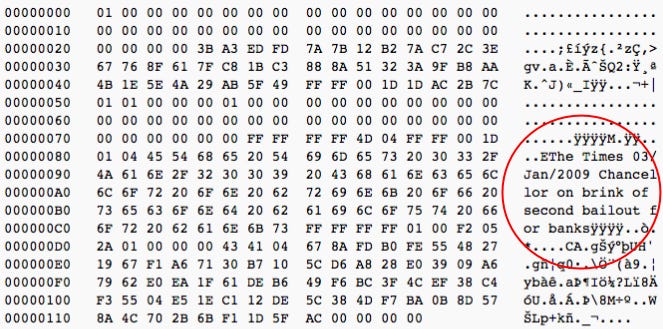
The Antithesis: Bitcoin. Born in the ashes of that 2008 collapse. Satoshi Nakamoto embedded a protest in the very first block: “The Chancellor on brink of second bailout for banks.” A digital Woodstock. Cypherpunks sought to “exit the system,” demanding trustless, anonymous, censorship-resistant money that no central banker or anyone else for that matter could print into oblivion, subvert, or control
The Resolution: Here the cypherpunk dream dies. We anticipated a Synthesis where the world runs on a peer-to-peer electronic cash system. permissionless Bitcoin for everyone. but history suggests otherwise. The Resolution will be a strategic integration by the establishment.
To calm the protest, governments, banks, and financial institutions will adopt the features mainstream users care about. Like
Borderless Transactions: Sending money globally as easily as sending an email.
Programmability: Smart contracts for loans and automated finance.
Access: No bank account required, just a digital wallet.
However, just like Spotify, this Resolution will strip out the radical ideology, meaning No full censorship resistance and not fully anonymous.
And the hard truth is that Mainstream users won’t care. Just as Spotify users didn’t care about the philosophy of P2P file sharing, average citizens don’t prioritize anonymity. They care about user experience (UX).
Moreover, the fully censorship resistant / Anonymous pursuit has allowed for objectively bad things to happen. Such as North Korea and Iran funding missile and nuclear programs, while crypto is still banned and persecuted within the country.
To put a nail in the coffin, here’s Peter Thiel a few weeks ago:
“There’s the question of the ideological founding vision of Bitcoin and these cryptocurrencies as a cypherpunk, crypto-anarchist, libertarian, anti–centralized government thing. that’s what I thought was terrific about it….
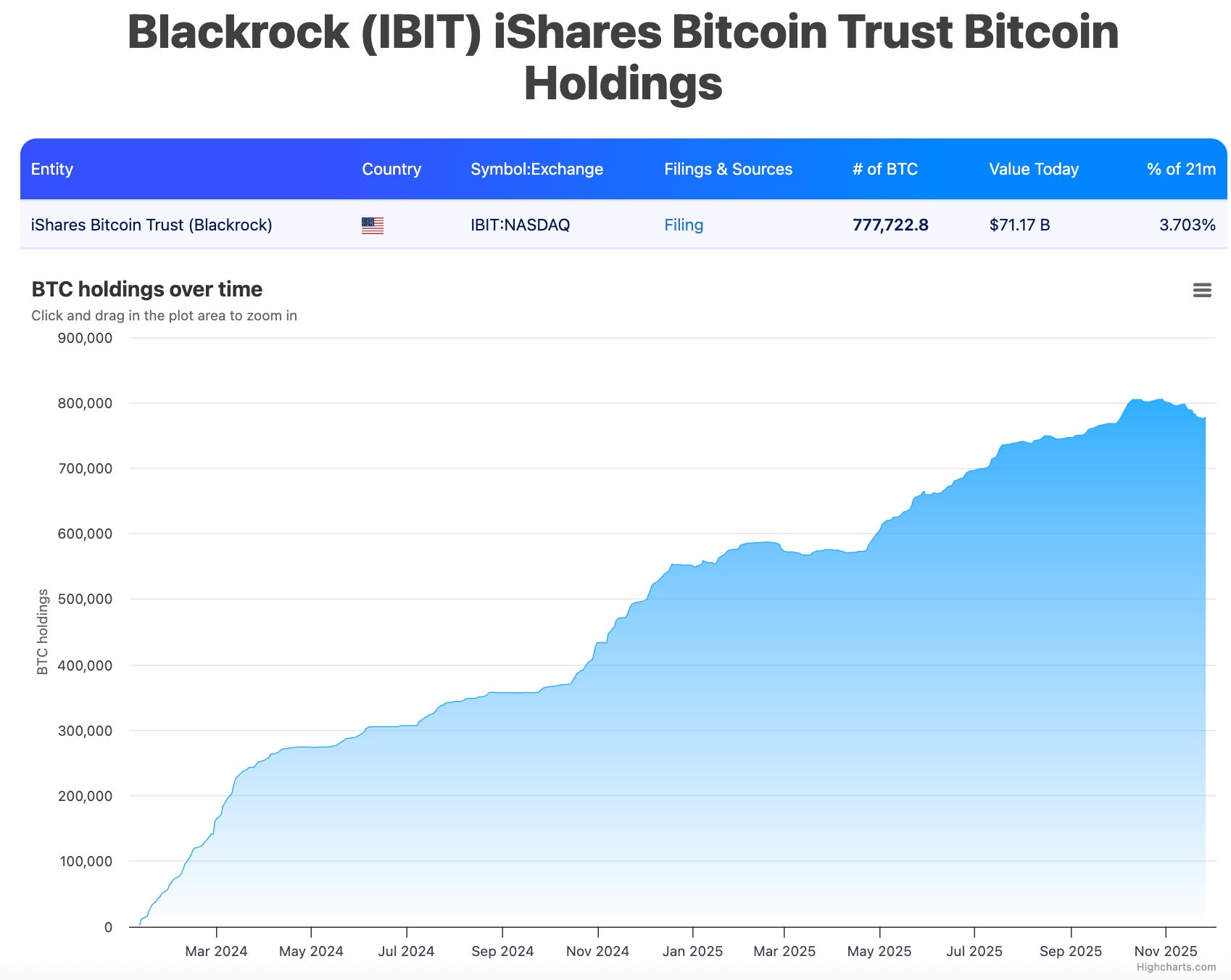
….I am much less convinced of that now. Maybe Larry Fink with the BlackRock ETF surrendered to the ESG forces, or maybe Bitcoin’s been co‑opted by them. and I worry it’s more the latter.”
Part V: Wall Street Is Updating Its Software.
Wall Street isn’t being replaced and Central bankers aren’t going away. But the rails they run on are getting a upgrade.
The first killer crypto products won’t be Kumbaya DAOs or social tokens or DAOs. They are the infrastructure of the financial system:
Stablecoins (payments),
Prediction Markets (risk)
Perpetuals (derivatives).
Major players aren’t waiting for some “crypto utopia.” or a decentralized world. They are buying the infrastructure right now.
A quick look at recent M&As and announcements:
Stripe $1.1 billion Bridge acquisition, Stablecoins are now the default rail for global fintech.
Robinhood are launching their own L2, tokenizing “Stock Tokens”, and integrating prediction markets directly. “Bankless” is now inside a regulated brokerage.
ICE (owner of the NYSE) $2 billion Polymarket investment means the establishments are deep into the biggest new financial primitive.
Lastly, the rules that are now in place (GENIUS act, soon CLARITY) mean the “Wild West” era ended. We have clear legal status.
The ideological layer gets stripped away. The useful primitives remain. And what happens next is the biggest builders boom we have ever seen in Crypto.
Part VI: The Best Part? We’re Still Early
If this article sounded bearish to you, I’m sorry. It's actually extremely bullish on the future of the ecosystem. If the entire financial system is a pie, it is about to grow 100x in size. And the value will be captured by the entrepreneurs building today.
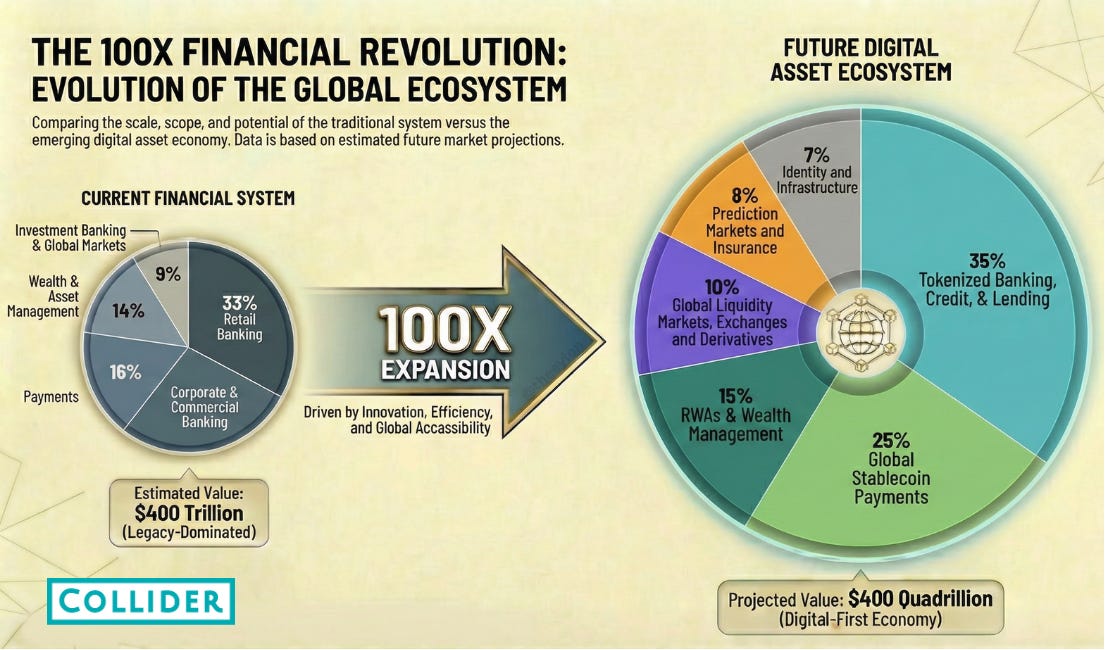
The new financial system will accumulate, primitive by primitive, until one day it becomes obvious that the upgrade already happened. Stablecoins replace banking middleware. Prediction markets absorb risk modeling and hedging, Perpetuals swallow the derivatives industry whole and then some. Everything else, clearing, settlement, custody, quietly rewires itself around open blockchains. From a niche underground counterculture, we are rebuilding the world’s financial software stack.
The Opportunity is Enormous.
For the first time, anyone with a wallet, not a brokerage account, not a prime broker, not a membership seat, can plug into the financial logic that moves trillions with no intermediaries.
These new rails contain a vast frontier to build what couldn’t exist before: Fairer, open markets. Global shared liquidity pools. Transparency instead of opaque balance sheets. With Competition on everything from execution to custody.
What the internet did for information, open blockchains will do for finance.
The revolution already happened. The resolution is what comes next.
In the next article I’m going to start breaking down the three breakout technologies: Stablecoins, Prediction Markets, and Perpetuals.
There will also be some awesome memes
If you enjoyed this Follow me on X, or on Linkedin I post there more frequently.
Don’t agree with this? Leave a comment
The end was well known that's capitalism, it swallows everything it can make profit of.
Also in large part due to the complete miss understanding of money by bitcoin maximalists, if you don't understand money, how can you create an alternative money to the system?
Hey Eylon,
Crypto got strong fundamentals. While establishment trying is cutting into the rough parts like censorship and privacy. It is still building on decentralized networks like Ethereum. My guess that we still have decentralized networks, but they will be somewhat less decentralized.
Also - the establishment is also changing, there is a New Establishment we see now in action for a first time, and they got a different taste. . I think they also sees the value in decentralized network, which is good!
Cause If we come back to the fundamentals - there is an inherent value in Bitcoin, and inhere rent value in Ethereum. But we need to do something like 80/20 rule so all market players can accept them. And some stuff will run on centralized blockchains as well (it's part of the 80/20).